City life · Guides & resources
Family activities in London: choose an outing that fits your day
Compare four family activities in London with official links, from museums and story play to Regent’s Park, plus booking and journey checks.
Compare the four options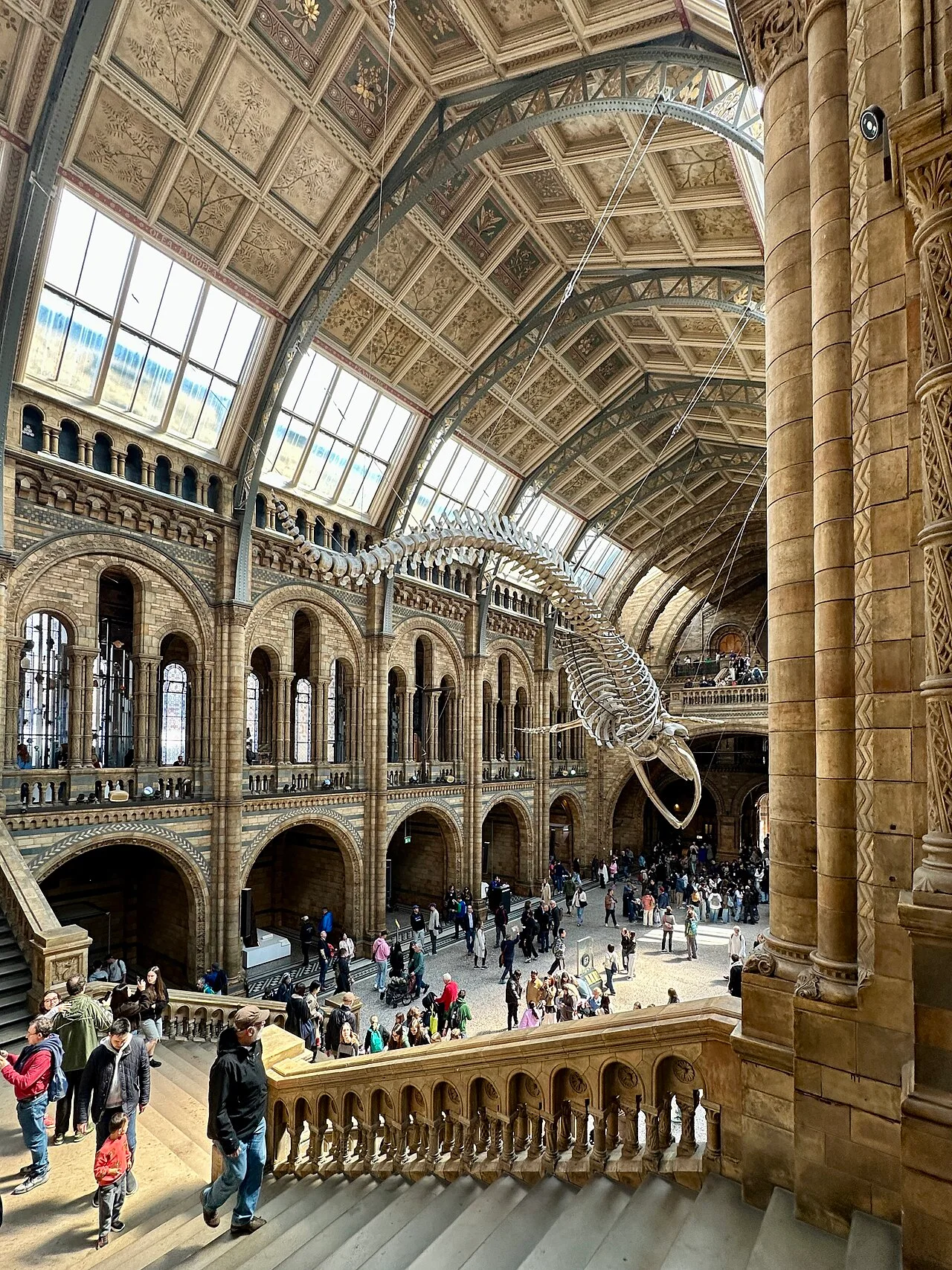
In this guide
The short answer
Choose the option that fits your day.
For family activities in London, start with your children’s interests and the journey home. Explore nature at the Natural History Museum, imaginative play at Discover Children’s Story Centre, maritime history in Greenwich or outdoor time in Regent’s Park. Each serves a different kind of day. Check the official visitor information for your date before booking or travelling.
Natural History Museum, for an interest-led visit
entry arrangements and any separate exhibition or session.

Discover Children’s Story Centre, for imaginative play
what entry includes and whether a chosen event costs extra.
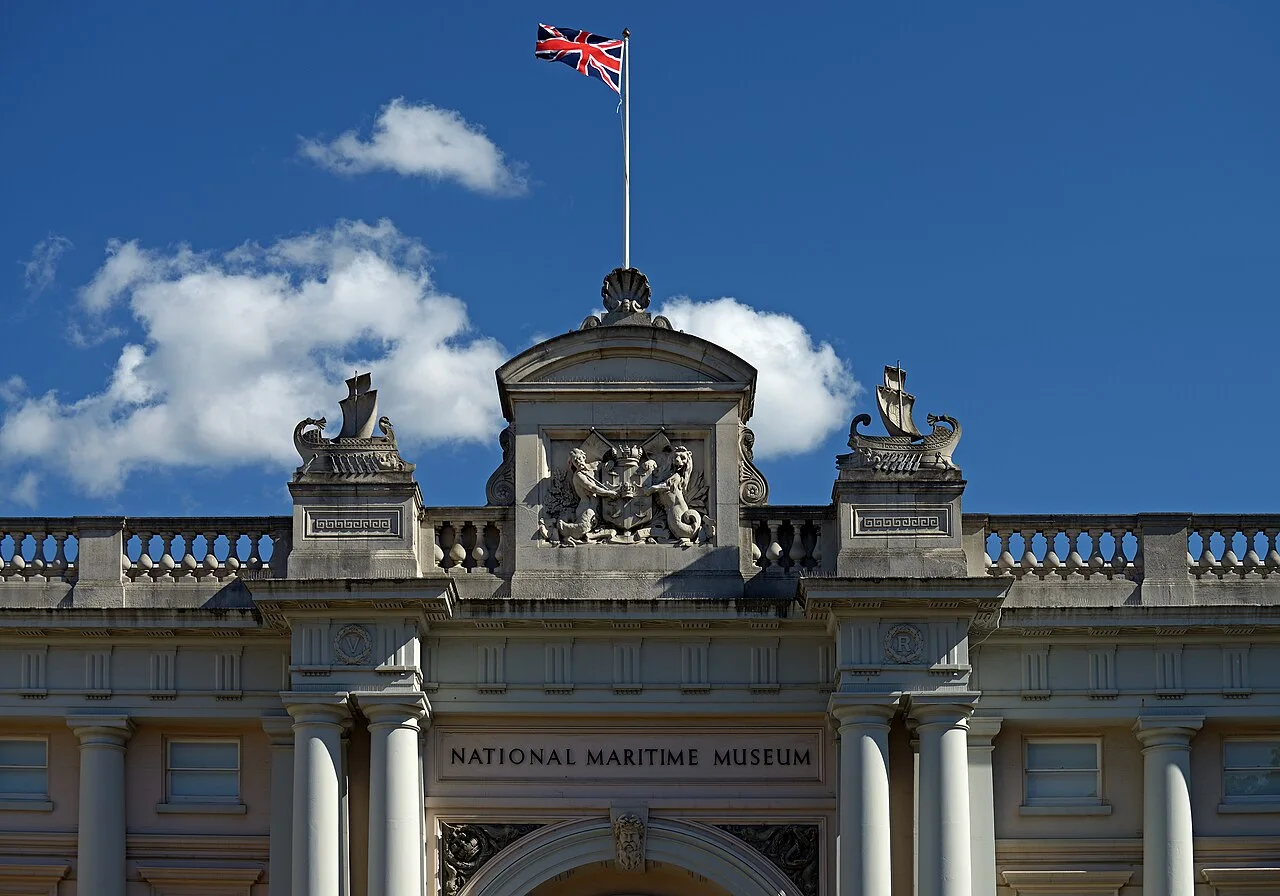
National Maritime Museum, for a Greenwich day
current exhibitions, family sessions and the journey to Greenwich.
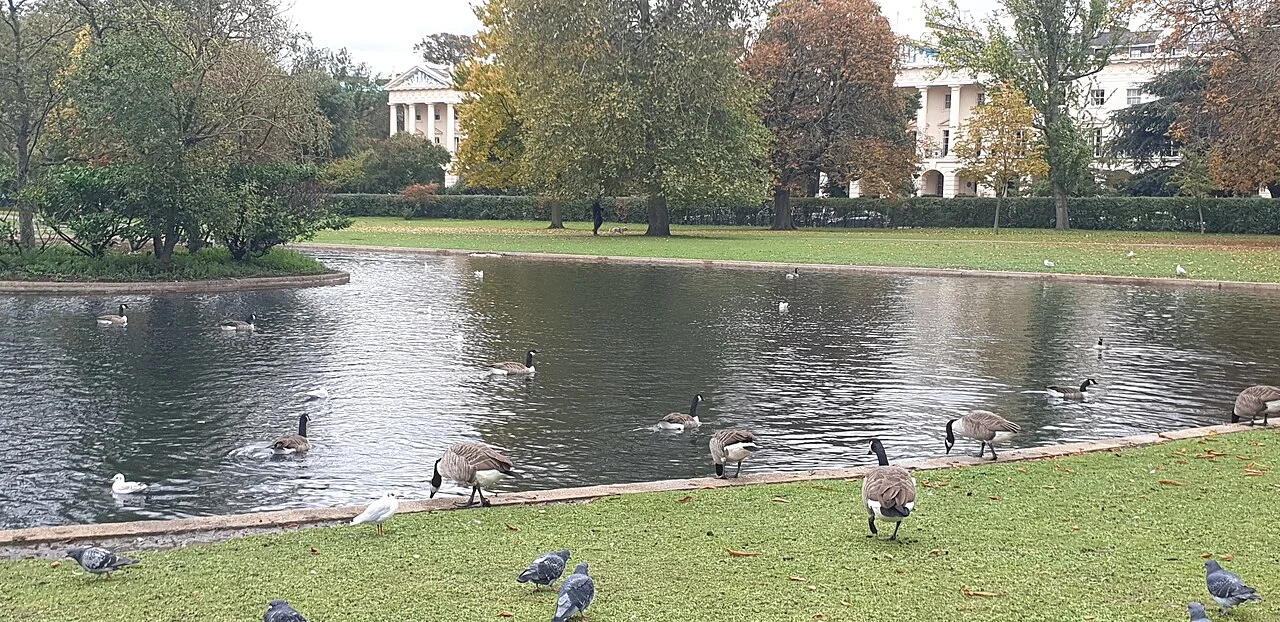
Regent’s Park, for an outdoor-led plan
the exact entrance, facilities, weather and current notices.
Use this shortlist as a starting point. Sources & editorial approach
The shortlist
Natural History Museum, for an interest-led visit
The Natural History Museum’s own family pages highlight galleries and activities around nature, including dinosaurs, mammals and volcanoes. Start by choosing one subject that your child actually wants to see. That gives you a manageable visit without making the scale of the collection feel like a requirement to explore every gallery in one afternoon.
Use the museum’s official visitor information to check entry arrangements, access and the facilities relevant to you. Look separately at any exhibition or activity you want to add: it may have different booking conditions from the general visit. Do not assume that a family activity mentioned online is running on the date you are considering.
If your children have different interests, let each choose a small part of the visit rather than planning two complete tours. Identify a place to pause and agree an easy stopping point. A child who leaves while still curious may be happier to return than one who is asked to continue simply because there is more to see.
- Best for
- children drawn to animals, dinosaurs or the natural world.
- Check first
- entry arrangements and any separate exhibition or session.
The shortlist
Discover Children’s Story Centre, for imaginative play
Discover’s official website describes a Stratford destination for children aged zero to eleven and their adults. Its entry tickets cover the Story Worlds and Story Garden, with additional events offered separately. This is a useful distinction when comparing your options: a general entry ticket and a particular storytelling session are not the same booking.
Check the current visit builder and event information before choosing your date. Look at which spaces and sessions suit the children coming with you, and whether any part needs an additional ticket. If you are visiting with another household, agree the same booking details before one person pays and discovers that the other has chosen a different arrangement.
An imaginative-play visit can suit a day when you want the activity itself to hold the children’s attention, without building a long sightseeing route around it. Still allow for the journey, a meal and a gradual departure. Ask directly about any access, sensory or practical requirement that matters to your family rather than inferring it from the photographs.
- Best for
- children who enjoy stories, make-believe and exploratory play.
- Check first
- what entry includes and whether a chosen event costs extra.
The shortlist
National Maritime Museum, for a Greenwich day
Royal Museums Greenwich provides the official information for the National Maritime Museum. This is a starting point for a family interested in ships, sea journeys and maritime history. Use its current visitor and event pages to find an appropriate focus, rather than assuming that every gallery or activity will engage every age in the same way.
Decide whether the museum is the main outing or one part of a Greenwich visit. If it is the main event, protect time for exploring it at your children’s pace. If you also want an outdoor stop, keep that flexible. Adding several nearby attractions can still create a demanding day, even when they look convenient together on a map.
Check the arrangements for any particular exhibition, play space or organised session through the official listing. Note the museum’s closing time as well as any booked start time, and leave room for the return journey. A local family can use a short visit as a reason to return; a visiting family does not have to combine the whole area into one day.
- Best for
- a museum-led outing with a clear maritime interest.
- Check first
- current exhibitions, family sessions and the journey to Greenwich.
The shortlist
Regent’s Park, for an outdoor-led plan
The Royal Parks website is the official starting point for visiting Regent’s Park and Primrose Hill. Use its map and current visitor information to choose a specific part of the park. A large green space is not one interchangeable destination: the entrance you choose can make a substantial difference to the walk, the facilities and the journey home.
Plan around one activity your family already enjoys, such as a walk, play or simply time outside together. Check the relevant facilities and any current notices before leaving. If a café, toilet or play area is essential to your plan, confirm where it is rather than assuming it will be beside whichever entrance appears on your route.
Keep an indoor or shorter alternative for poor weather, and bring what you need for a comfortable stop. An outdoor day should not depend on everyone being willing to keep walking indefinitely. If you are meeting friends, choose a precise landmark and an arrival window. “See you in the park” can otherwise leave two tired families searching for one another.
- Best for
- a flexible outdoor outing without a full attraction itinerary.
- Check first
- the exact entrance, facilities, weather and current notices.
Compare the journey before the activity
Check the route from where your day actually starts, not from a central London landmark. Include the walk to transport, any changes and the last stretch to the entrance. If you use a pushchair or need step-free access, check the relevant stations and venue information for your specific route instead of relying on a general description of accessibility.
A useful activity can be the wrong outing when the journey consumes the energy you hoped to spend there. Choose a smaller local option when that makes the whole day work better. When travelling with another adult, share the route and return plan so one person is not responsible for navigating while also managing every immediate need.
- Identify the entrance you are heading to, not only the venue name.
- Allow for a missed connection or an unplanned stop.
- Save the return route before a phone battery or tired child complicates it.
Match the format to the children coming with you
Separate a self-paced visit from an organised session. A gallery or park may let you arrive, pause and leave around your own rhythm. A workshop or storytelling event may ask you to be in a particular place at a particular time. Neither is better; they simply require different kinds of commitment from the children and adults involved.
Check stated age guidance and ask about siblings when a booking includes children of different ages. Do not assume a younger child can join every session, or that an older sibling will be interested in waiting. If the answer is unclear, contact the organiser before paying. That is more reliable than guessing from the word “family”.
Work out what the day costs
Look beyond the entry price. Add transport, any optional exhibition or event, food and the extras you are likely to buy. Check whether all accompanying adults need tickets and whether a session requires a separate booking. A free-entry venue can still become an expensive day if the rest of the plan has not been considered.
Agree what is optional before you arrive. You might choose one paid activity and bring lunch, or pay for a simpler meal and keep the outing itself short. Making those decisions together keeps one adult from having to refuse every extra request while also trying to enjoy the visit.
Leave room for food, quiet and a change of plan
Choose a practical pause before the children need it. Check the venue’s food rules and the options nearby, especially if a child cannot comfortably wait for a restaurant meal. Bring the essentials that make your own family’s day easier, while checking any restrictions on bags or equipment with the venue.
Give the outing a clear minimum version: the one gallery, session or stretch of outdoor time you would be happy to do. Everything beyond that can stay optional. Leaving earlier than planned does not turn an outing into a failure. It can be the decision that keeps the journey home, and everyone’s willingness to go out again, manageable.
Make meeting another family simple
Agree the date, exact entrance and whether you are booking anything together. Share the official listing rather than a screenshot with missing conditions. Make clear whether you intend to spend the whole visit together or simply overlap for part of it. Different ages, meal times and access needs do not have to produce identical itineraries.
If you want more adult conversation, choose a format that realistically leaves room for it. A tightly timed session may not be that format. Repeating an easy local outing can make meeting again simpler than arranging an entirely new London adventure each time. The practical aim is a day both families could comfortably choose again.
- Save the official links and your booking details.
- Share one practical job with another adult before leaving.
Make the decision
Before you go.
A checklist for this visit. Your answers are not sent or saved.
A little more clarity
Your practical questions.
Does a family activity suit every child’s age?
Not necessarily. Check the current guidance for the specific session or space you want to visit. Ask about siblings and accompanying adults if the listing does not make those arrangements clear.
Does general entry include every exhibition or event?
Do not assume that it does. Check the venue’s current visitor and booking pages. Discover, for example, distinguishes its entry tickets from additional events, and museum activities may have separate arrangements.
How can I avoid making an outing too tiring?
Choose one main interest, compare the complete journey and decide where to pause. Keep an easy stopping point and a shorter version of the day. A manageable outing is usually more useful than an ambitious list of attractions.
Sources & editorial approach
This resource was rewritten using the linked official destination and provider information, checked on 3 November 2026. Alma has not personally tested or ranked these places. Confirm current menus, bookings, access, dates and charges directly. Photographs show the named places. Photo dates, sources and reuse credits appear below; archive images do not establish current facilities.
- Natural History Museum family activities
- Discover Children’s Story Centre
- National Maritime Museum
- Regent’s Park and Primrose Hill
Photo credits
- The blue whale skeleton in Hintze Hall at the Natural History Museum, London (2026-05-13 13:54:39) · APK · CC BY 4.0. Resized and cropped for display.
- Geese beside the lake in Regent’s Park, London (2020-10-10) · Christine Matthews · CC BY-SA 2.0. Resized and cropped for display.
- Children exploring the Story World at Discover Children’s Story Centre in Stratford, London (2025-03) · Discover Children’s Story Centre / Nat Gee · Official press image for editorial coverage. Resized and cropped for display.
- The entrance facade of the National Maritime Museum in Greenwich, London (2019-06-06 18:36:14) · Ввласенко · CC BY-SA 3.0. Resized and cropped for display.
Keep reading