Travel · Guides & resources
Family holidays in Italy: choose a base that works for your children
Compare Rome, Florence, Lake Garda and a seaside base for a family holiday in Italy, with official resources and practical booking checks.
Compare the four options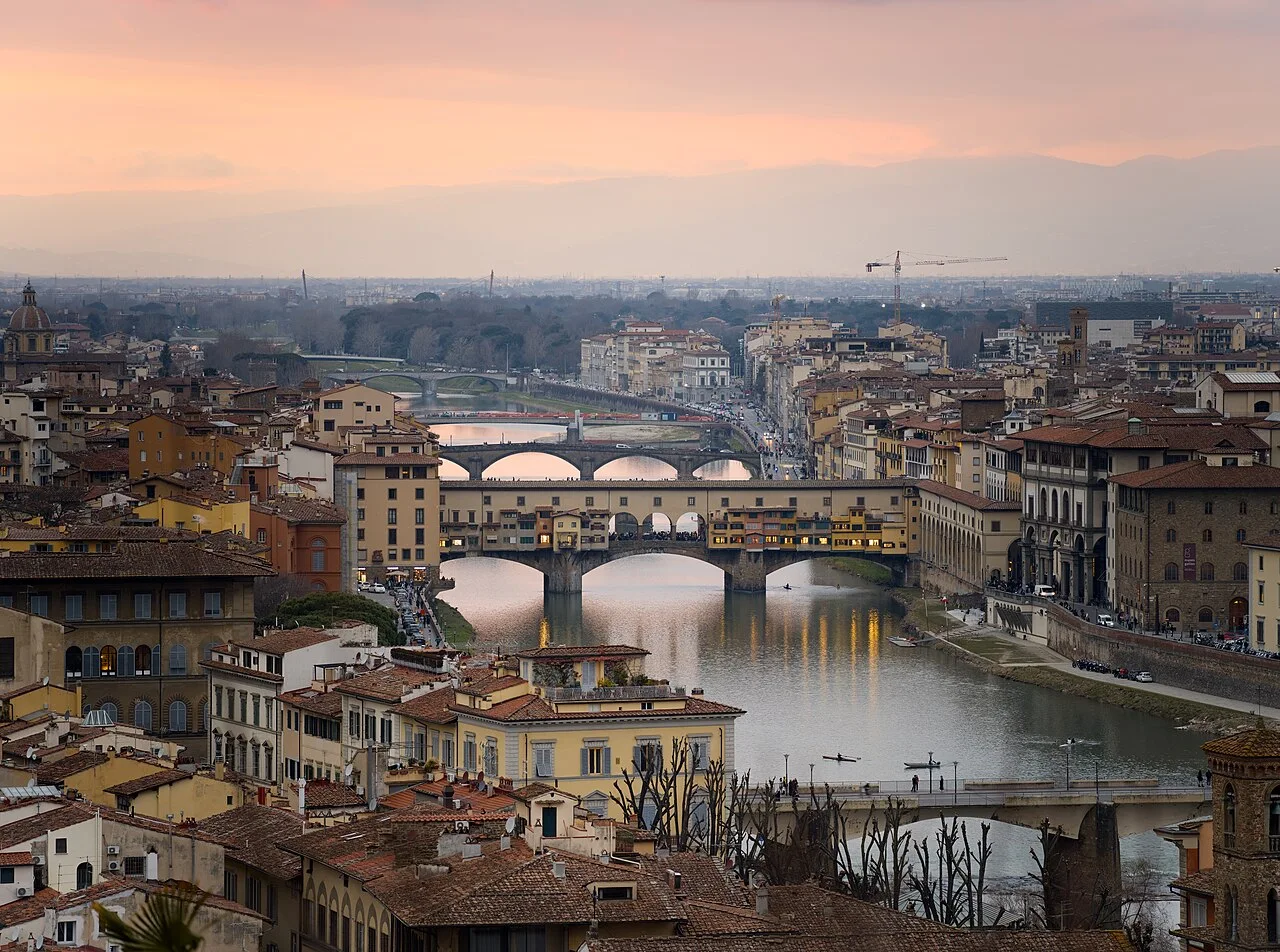
In this guide
The short answer
Choose the holiday you want to live through.
For a family holiday in Italy, choose the kind of day you want before choosing the region. Rome offers history and city outings; Florence combines culture with a compact base; Lake Garda puts outdoor time at the centre; a seaside stay can simplify the daily routine. Compare the whole journey, accommodation and recovery time, not just the photographs.
Rome, for a city break with room to play
the accommodation-to-activity journey and each attraction’s booking rules.
Florence, for culture in smaller daily doses
building access, workshop language and the daily walking route.
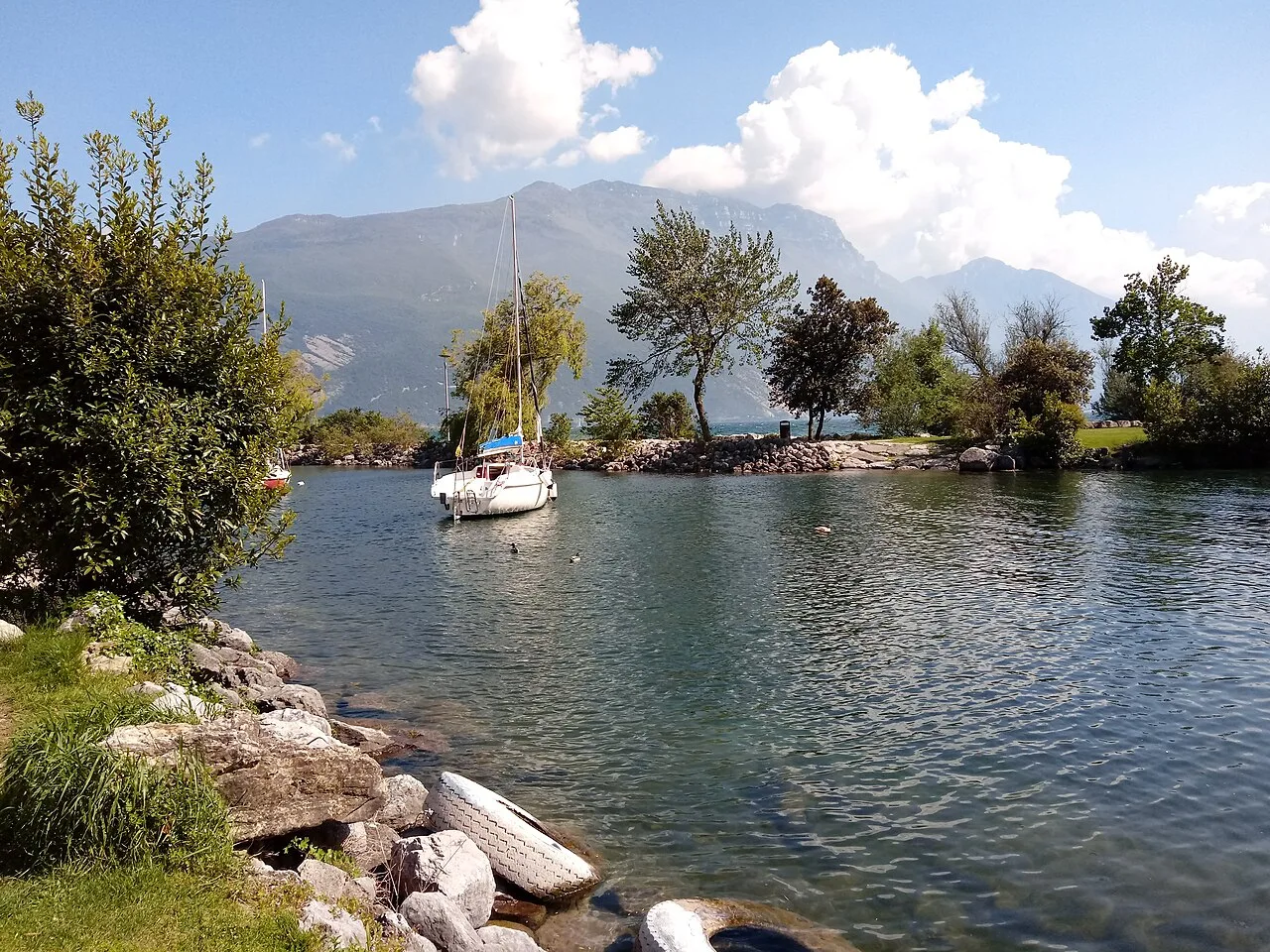
Lake Garda, for an outdoor-led holiday
the exact town, seasonal operation and realistic transfers.
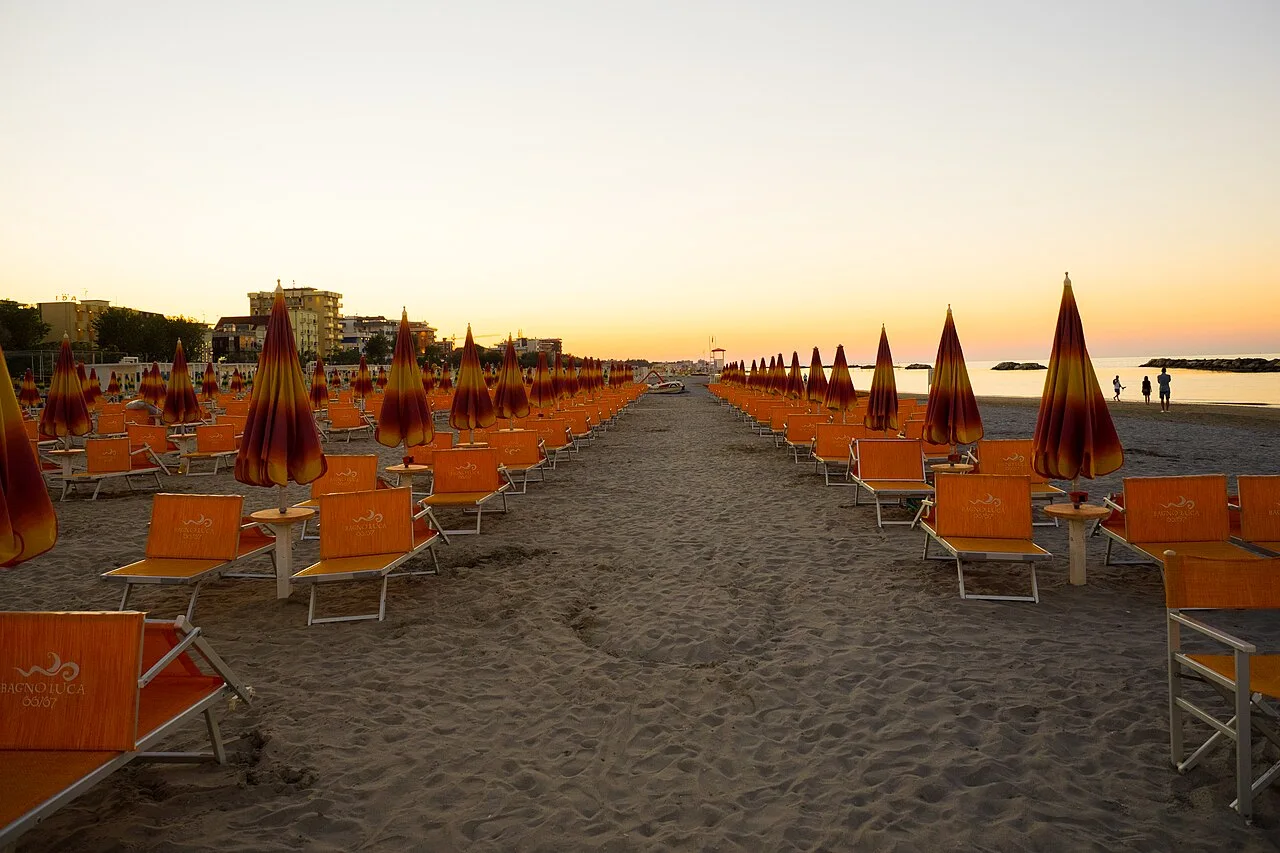
An Italian seaside base, for a simpler rhythm
the precise beach arrangement and the facilities actually included.
Use this shortlist as a starting point. Sources & editorial approach
The shortlist
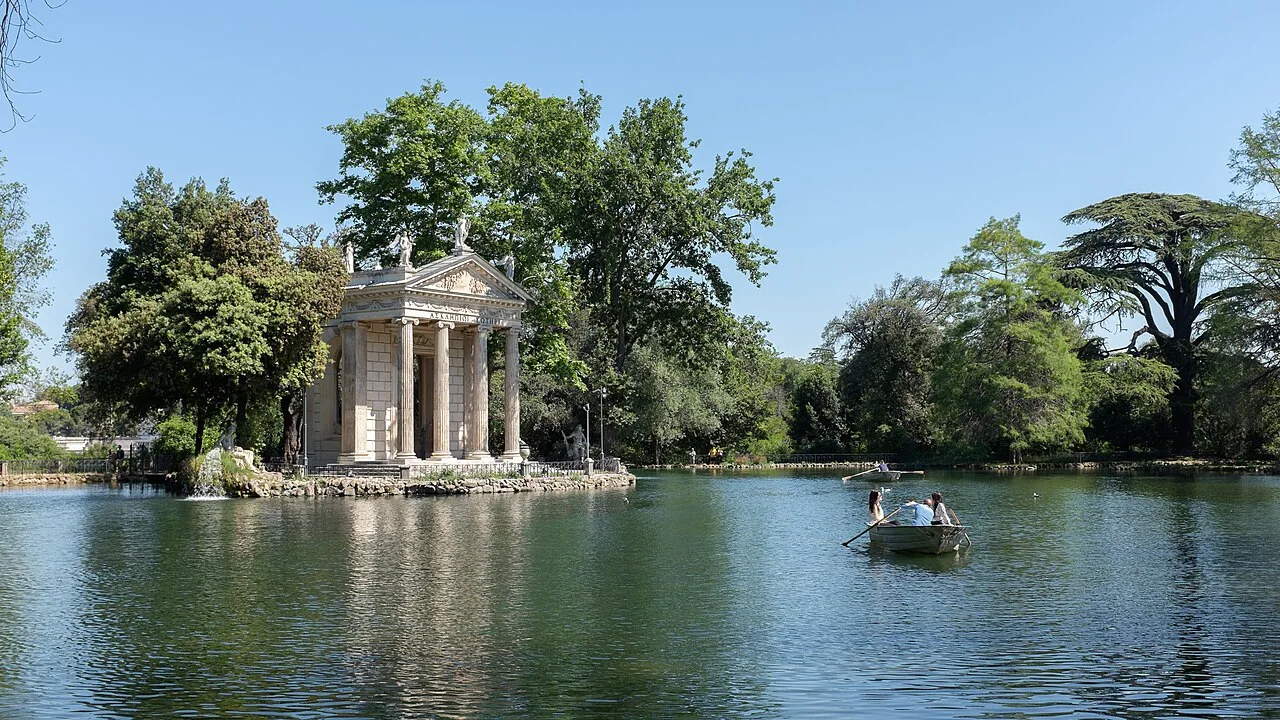
Rome, for a city break with room to play
Rome’s official tourism service has a family itinerary covering museums, parks and children’s activities, including Explora and Villa Borghese. Use it to build a small shortlist, rather than treating the city as a list of monuments to complete. A park visit can be the main event on the arrival day, not a consolation prize after sightseeing.
Choose your accommodation around the places you will actually visit. Put the address, your first outing and a simple meal option on one map. Then imagine making the return journey with a tired child. That exercise is more useful than deciding that an entire city is either suitable or unsuitable for young children.
Book any particular museum, workshop or attraction through its own current visitor information. Check the entry arrangement, age guidance and whether a separate family activity needs a reservation. Keep the rest of that day loose enough to leave early. Rome can be a manageable family choice when the itinerary is deliberately smaller than the city.
- Best for
- a family that wants history alongside outdoor breaks.
- Check first
- the accommodation-to-activity journey and each attraction’s booking rules.
The shortlist
Florence, for culture in smaller daily doses
FeelFlorence, the official tourism website of the city and metropolitan area, publishes a Families and Children section and a family guide. These are useful starting points for finding museums, gardens and child-focused activities together. They give you alternatives to building every day around an adult museum visit followed by an increasingly impatient child.
Start with one cultural stop that connects to something your child already likes: animals, armour, drawing or making things. Follow the provider link to check the activity’s actual language, age range and availability. A family-labelled experience is not automatically offered every day, and an English information page does not establish the language of a workshop.
Florence is worth considering if your family enjoys returning to the same neighbourhood between outings. Compare accommodation by its ordinary conveniences: somewhere to eat breakfast, space for an early night and a comfortable route home. Do not assume every central building has a lift or that a short distance guarantees an easy pushchair journey.
- Best for
- a family that prefers a cultural base to a changing itinerary.
- Check first
- building access, workshop language and the daily walking route.
The shortlist
Lake Garda, for an outdoor-led holiday
The Garda Trentino tourism organisation provides a family-holiday section covering outings and accommodation in the northern lake area. Treat that geographical scope carefully: information for Garda Trentino does not describe every town around Lake Garda. Choose a specific base before comparing activities, rather than assuming everything on a lake-wide list is close to your room.
This is an option to explore when your family would rather spend time outdoors than move between city attractions. Compare the route to a usable outdoor space, the terrain and the transport needed for your intended outings. A lakeside photograph does not tell you whether the nearest shoreline suits your children or how you will reach it.
Build a poor-weather version of the trip before booking. Ask the accommodation what is available on your exact dates, and check seasonal activities directly with their operators. If a pool or organised session is the deciding feature, confirm its opening arrangements and supervision rules. Those details matter more than a general promise that a place welcomes families.
- Best for
- a family looking for an outdoor base and repeatable local outings.
- Check first
- the exact town, seasonal operation and realistic transfers.
The shortlist
An Italian seaside base, for a simpler rhythm
Italy’s national tourism website has a family-holidays collection for exploring different regions and types of trip. Use it to discover possibilities, then move to the destination’s official visitor information and your accommodation’s own details. A general collection is useful for inspiration; it cannot establish beach access, facilities or conditions at a particular hotel.
For a beach-focused holiday, compare the journey from your room to the place you expect to spend the day. Ask about steps, road crossings, shade and what is included in access. Establish whether your plan depends on a private beach arrangement or a public area. Do not infer lifeguard coverage, swimming conditions or child suitability from marketing photographs.
A single seaside base may suit you better than combining several famous destinations. That is a planning choice, not a promise that the holiday will require no work. Check where you will buy snacks, wash clothes and eat on a tired evening. A modest place with those answers can serve your family better than a spectacular but awkward location.
- Best for
- a family wanting fewer transfers and familiar daily routines.
- Check first
- the precise beach arrangement and the facilities actually included.
Compare the whole travel day
Write down the journey from your front door to your accommodation, including waiting, baggage collection and the final transfer. Compare that complete day across your shortlist. A cheaper flight arriving far from your base may involve more effort and expense than an apparently more expensive connection with a straightforward arrival.
If you plan to move between destinations, give each change its own place in the itinerary. Packing, checking out and finding the next room are activities, even if a map makes the distance look small. With young children, a transfer day may need to be the only planned event that day.
- Confirm child-seat arrangements with any transfer provider before booking.
- Check the actual station or airport, not only the destination name.
- Keep the first evening’s meal and arrival instructions accessible offline.
Choose the room for the evening you will actually have
A family room can mean different things. Ask for the exact bed arrangement, where a cot would go and whether there is a separate place for adults after bedtime. Check lift access, window or balcony arrangements and any kitchen facilities that matter to you. Request confirmation of a necessary feature rather than relying on a category name.
Think about whose rest the room protects. If one adult is always sitting silently in the dark after a child falls asleep, extra space may be worth more than another hotel amenity. Compare the full stay cost, including cleaning charges, additional beds and any facilities that require a supplement.
Make a budget that survives a rainy afternoon
Price flights or trains, the final transfer, accommodation, meals and the outings you actually intend to book. Then include a realistic allowance for unplanned transport or an indoor alternative. Compare totals for the same number of nights and people. A headline room rate alone cannot tell you which holiday costs less.
Choose what you are willing to trade before you pay: location, additional space, organised activities or the ability to prepare simple food. Nobody needs every feature. Agreeing your priorities together helps prevent the person doing the research from carrying an impossible brief to find everything at once, at the lowest price.
Build a day that has somewhere to stop
Pick one anchor outing and a nearby place to pause. The pause might be a garden, your accommodation or an unhurried meal. Leave enough flexibility to follow an unexpected interest or stop when the day has stopped working. A ticket can give the day structure without becoming an obligation to stay until everyone is exhausted.
For children of different ages, alternate whose interest shapes the main outing. For adults, name one thing each person would enjoy rather than assuming their enjoyment will happen around the children’s programme. Sharing the research, reservations and practical jobs is part of making that space possible.
Before you commit
Read the cancellation conditions for accommodation and any expensive advance bookings separately. Save the provider’s contact details and the terms that apply to your booking. If a particular activity is essential, check its dates before making the rest of the trip depend on it.
Use this guide as a comparison tool, not a universal ranking of Italian destinations. Your children’s interests, access requirements and starting point can change the answer completely. A successful family holiday in Italy is one you can picture living through comfortably, including breakfast, transport and the evening return, not only the memorable outing in the middle.
- Save the official links and your booking details.
- Share one practical job with another adult before leaving.
Make the decision
Before you go.
A checklist for this visit. Your answers are not sent or saved.
A little more clarity
Your practical questions.
Should we combine several Italian destinations?
Only if the transfer days fit the holiday you want. Compare the complete journey between bases, including packing, checkout and arrival. A single base with optional outings may suit your family better than a longer list of places.
Does this guide rank destinations by child age?
No. Age alone does not establish suitability. Compare your children’s interests, access requirements, the room arrangement and the day you expect to have. Check individual attractions for any specific age or booking conditions.
Are prices and hotel facilities guaranteed here?
No. Use the official links to check current details, and confirm essential accommodation features directly before paying. Compare the full booking terms and total cost for your own dates and party.
Sources & editorial approach
This resource was rewritten using the linked official destination and provider information, checked on 3 November 2026. Alma has not personally tested or ranked these places. Confirm current menus, bookings, access, dates and charges directly. Photographs show the named places. Photo dates, sources and reuse credits appear below; archive images do not establish current facilities. Rimini illustrates the seaside option.
- Rome for families
- FeelFlorence’s family information
- Garda Trentino family holidays
- Italy’s family-holiday collection
Photo credits
- Ponte Vecchio and the Arno in Florence at sunset (2023-02-17) · Daniel Lu (User:dllu) · CC BY-SA 4.0. Resized and cropped for display.
- The harbour and lakeside at Riva del Garda, Italy (2019-05-23 16:15:47) · Wladyslaw Golinski · CC BY-SA 4.0. Resized and cropped for display.
- The lake and Temple of Aesculapius in Villa Borghese, Rome (2016-05-21) · Pierre-Selim Huard · CC BY 4.0. Resized and cropped for display.
- Rimini beach on Italy’s Adriatic coast, an example of an Italian seaside base (2016-08-08 19:30) · Sarahhoa · CC BY-SA 2.0. Resized and cropped for display.
Keep reading