Travel · Guides & resources
Best UK Holidays for Families: Choosing Destinations by Age and Budget
Compare destinations like the Cotswolds, Isle of Wight and York for your family’s next UK holiday. Learn how to balance budget, travel ease, and activities.
Compare the options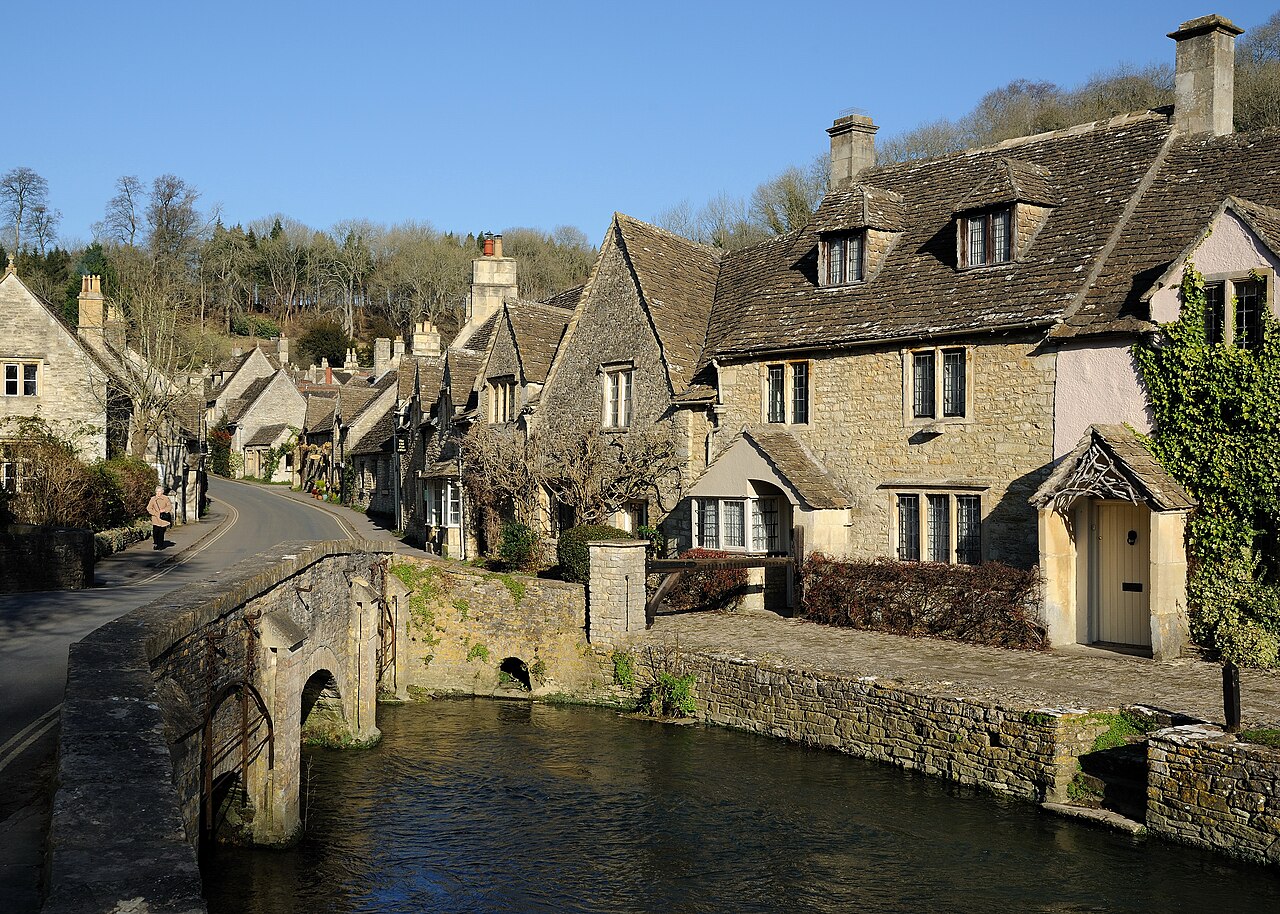
In this guide
The short answer
Choose the break you want to have.
Choose a UK family holiday around the day you want to have: a countryside base in the Cotswolds, an island stay on the Isle of Wight, or a history-led break in York. Then compare the complete journey, accommodation and daily costs. These are three different starting points for planning, rather than a tested ranking of destinations.
The Cotswolds
Isle of Wight

York
Use this shortlist as a starting point. Sources & editorial approach
The shortlist
The Cotswolds
The official Cotswolds tourism guide brings together family attractions, including wildlife parks, a steam railway and a model village. Use that directory to choose an outing your children actually want, then compare places to stay around it. A regional recommendation cannot establish the facilities at a particular hotel.
Before choosing a room, ask about the actual bed arrangement, meals and the facilities your family needs. If a children’s club or pool matters, confirm its dates, age rules and any additional charge directly. Do not assume every countryside hotel offers the same services, or that an activity advertised somewhere nearby belongs to your accommodation.
Picture the journey between your base and the outings on your shortlist. Decide whether you want to drive each day or keep the plan within a smaller area. Leave time for a simple meal and an unplanned stop. A manageable countryside break can be more enjoyable than trying to visit every village you have saved.
- Check the complete journey and your arrival arrangements.
- Confirm essential facilities and booking conditions directly.
- Best for
- a countryside base with a small shortlist of nearby outings
The shortlist
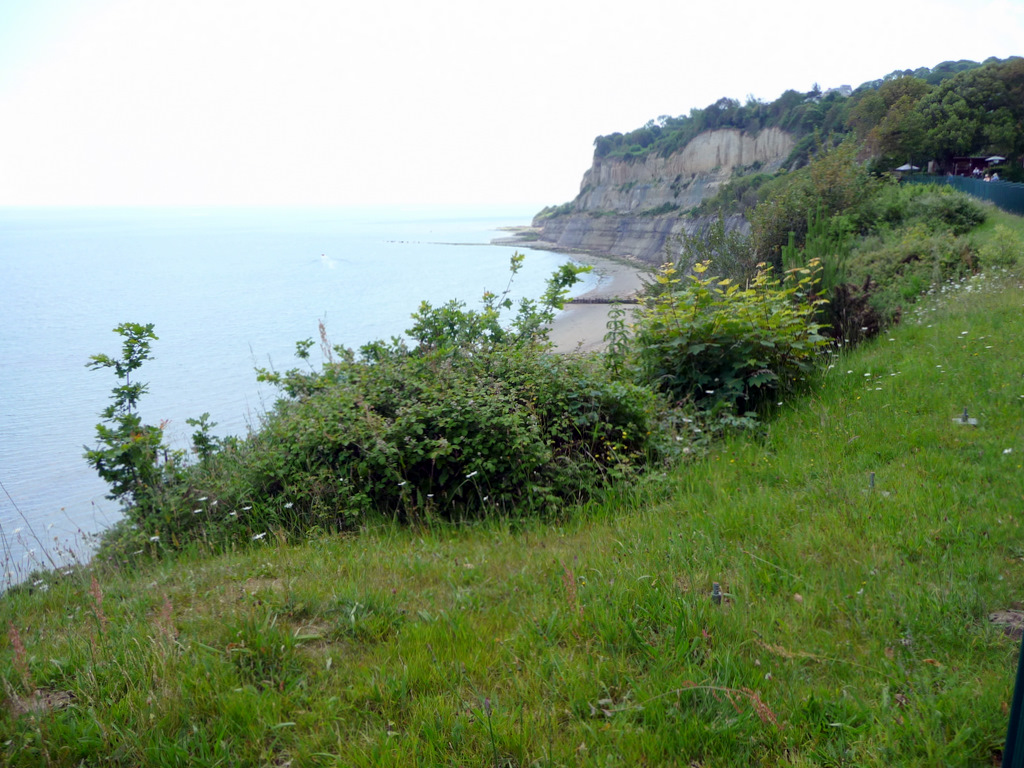
Isle of Wight
The Isle of Wight’s official family holiday page links accommodation, beaches, walking and attractions. It also directs visitors to ferry arrangements and accommodation-related offers. Compare the complete booking rather than assuming a package always saves money: check the crossing, passenger and vehicle details for your own dates.
Choose the part of the island you want to use as a base before choosing a property. Put the arrival port, accommodation and one likely outing on the same map. Ask about the final transfer and the entrance to the property, particularly when you have luggage, a pushchair or specific access requirements.
A coastal photograph cannot establish swimming conditions or supervision. Check local guidance for the beach and day you are considering, and keep an alternative away from the water. For a larger group, compare shared accommodation with nearby separate bookings, including how you would meet for meals without giving one person all the coordination.
- Check the complete journey and your arrival arrangements.
- Confirm essential facilities and booking conditions directly.
- Best for
- an island stay built around coast, countryside and realistic ferry plans
The shortlist
York
York offers a different planning pattern: choose a city base and one main history-focused visit, then allow time around it. York Minster’s own family visitor page is one official starting point. Check the information for your dates and any needs your family has, rather than treating a city-wide recommendation as a booking confirmation.
Compare your arrival point with the accommodation and the entrance to your chosen attraction. A route that looks short on a map may still include luggage, steps, uneven surfaces or a tired child. If you intend to leave the car behind, check the complete arrival and return journey rather than assuming every part will be easy on foot.
Let each child choose one detail they would like to discover during the visit. Agree a stopping point and an easy meal afterwards. That gives the day a shared purpose without requiring everyone to enjoy the same pace. Confirm admission arrangements and any separate activities directly before making the rest of the trip depend on them.
- Check the complete journey and your arrival arrangements.
- Confirm essential facilities and booking conditions directly.
- Best for
- a city break with one main history-focused visit each day
How Child Age and Family Size Shape the Best Holiday for You
The best UK holidays for families look different depending on your children’s ages, needs and your own desired downtime. For parents with toddlers, self-catering cottages and access to outdoor space can mean easier naps and less mealtime stress. School-age children or teens often prefer active breaks with hands-on activities, museums or adventure parks.
If you travel with grandparents or a larger family group, multi-room cottages or split bookings within a resort offer adults more breathing room while keeping everyone nearby.
- Young children: Favour short travel, flexible meals and enclosed play areas.
- Older children/teens: Choose destinations with immersive museums, animal parks or varied outdoor options.
- Multi-generational groups: Look for locations with multiple accommodation types or clustered rentals.
Balancing Budget: Comparing Total Costs and Saving on Transport
Setting a realistic family holiday budget involves more than the headline accommodation price. Travel costs, on-site food options, and ticketed attractions add up quickly.
The Isle of Wight’s official visitor site links ferry offers with accommodation. Compare the package with separate bookings for the same dates and party. Check the total, the journey you would actually make and the cancellation terms. A headline discount is only useful if it fits your plans.
- Include travel (train, ferry, fuel) and parking in your budget.
- Look for destinations with bundled entry passes or multi-attraction tickets.
- Factor in meal options: self-catering versus dining out.
Compare the kind of day you want
A countryside stay, an island holiday and a city break ask different things of your family. Compare what happens between breakfast and bedtime, including transport, food and rest. Use the three destinations above to make that comparison concrete, rather than assuming one place is the best choice for every age.
- Countryside: check the distance between your base and each outing.
- Island: include the crossing and final transfer in the travel day.
- City: allow time for arrival, walking breaks and returning to your room.
Ask what the room will actually be like
A family room is a label, not a detailed layout. Ask where everyone will sleep, where a cot would fit and whether there is a usable place for adults after bedtime. Check the entrance, lift access and any steps that would affect your stay. Request confirmation of an essential feature before paying.
Compare the full stay cost, including additional beds, cleaning charges and meals you expect to buy. If you are sharing with another household, agree how rooms and costs will be divided before choosing the property. A clear arrangement can matter more than a longer list of facilities.
- Confirm the bed arrangement in writing.
- Check essential access and meal requirements.
- Read the conditions for changing or cancelling your booking.
Check transport before paying for accommodation
Write down the complete route from home to your room, including waiting and the final transfer. Check whether the timetable works with your arrival and departure dates. A lower room price may offer little benefit if getting there adds another difficult connection, an expensive transfer or a late arrival.
For a ferry or train journey, compare the terms attached to the ticket you would actually buy. Ask which parts are flexible and what happens if the first part of the journey changes. Keep the booking details accessible offline and share them with another adult travelling with you.
- Check the exact station or port, not only the destination.
- Confirm any vehicle or luggage arrangements that matter.
- Plan the first evening’s food before you arrive.
Give a wet day its own workable plan
Identify one indoor alternative before leaving, then check its opening and entry arrangements for your dates. Do not assume that a hotel has a playroom or that a museum activity runs every day. Ask about any access or sensory requirements directly, especially when your alternative depends on a particular session.
A wet day does not need to become a full replacement sightseeing programme. A shorter outing, a meal and time back at your accommodation may be enough. Compare the extra cost with your original budget, and leave some space for a change of plan that nobody needs to justify.
- Save one indoor option near your base.
- Check whether it needs a separate booking.
- Keep an unhurried alternative for a low-energy afternoon.
Practical Travel Tips: Planning, Downtime and Shared Planning
A successful holiday often comes down to planning the right amount of structure. Families with younger children should allow for naps and quiet time, while those with teens may need more independence or solo options.
Share one practical job before leaving: one adult can check the route while another confirms the accommodation details. Let older children choose an activity, then give that choice a realistic place in the day. Keep the rest flexible enough to pause or leave when the plan stops working for your family.
- Match travel plans to family energy cycles (e.g., avoid long drives with toddlers).
- Have a fallback list of indoor activities for wet days.
- Share planning, older kids can choose one activity per day.
Accommodation Choices: Self-Catering, Hotels and Glamping
UK family holidays offer a vast range of stays, from luxury hotels to campsites and glamping pods. Your choice may depend on your need for flexible meal times, child-safe spaces, or a splash of comfort for the adults.
A self-catering property may help when you want control over meal times, while a hotel may reduce other practical jobs. Compare the actual arrangements rather than the label. Ask about meals, food storage or kitchen access if these matter, and check availability and cancellation terms for the dates you intend to book.
- Check for child-friendly amenities: stair gates, cots, highchairs.
- Ask accommodation providers about local discounts or ferry packages.
- Consider splitting large groups across multiple bookings for privacy.
Make the decision
Before you decide.
A checklist for this visit. Your answers are not sent or saved.
A little more clarity
Your practical questions.
Which destination works best with younger children?
Start with the journey, sleep and meal arrangements your own children need. The destination name alone does not establish suitability. Compare the room, the distance to one chosen outing and how easily you can pause or return to your base.
How can I compare costs fairly?
Use the same dates and party size. Include transport, the final transfer, accommodation, meals and the activities you intend to book. Check what is included in a package and compare its cancellation terms with separate bookings.
Does this guide guarantee hotel facilities or beach conditions?
No. Confirm essential facilities with the provider and follow current local beach guidance. Destination photographs show the place; they do not verify room layouts, activity availability or swimming safety.
Sources & editorial approach
This guide was produced by the daily editorial workflow and reviewed after a requested live template test on 3 November 2026. The linked official visitor pages were checked for the named destinations. Alma has not personally tested or ranked these stays. Confirm current arrangements with providers. Photographs show Castle Combe, the coast near Shanklin and York railway station; sources and reuse credits follow.
- Cotswolds Tourism Partnership: family visitor information
- Visit Isle of Wight: official family holiday guide
- York Minster: visiting with a family
Photo credits
- Stone cottages and a bridge in Castle Combe, in the Cotswolds · Saffron Blaze · CC BY-SA 3.0. Resized and cropped for display.
- A passenger train at York railway station (2011-07-08 08:50:30) · mattbuck ( category ) · CC BY-SA 3.0. Resized and cropped for display.
- Clifftop and coastline near Shanklin on the Isle of Wight (2009-06-14) · Christine Matthews · CC BY-SA 2.0. Resized and cropped for display.
Keep reading